From Platform to Trail: Seamless Journeys for Outdoor Adventurers
Join us as we explore practical first/last‑mile strategies connecting train stations and trailheads, turning intimidating transfers into confident steps toward nature. We’ll mix field-tested tactics, lively stories, and tools you can use this weekend. Share your own commute-to-trail wins or headaches, and help shape better, safer, greener access for hikers, runners, families, and visitors.

Personas and Trip Purposes

Different travelers experience the approach differently: a stroller-pushing parent needs curb cuts and toilets, trail runners crave speed and clarity, while visitors depend on multilingual cues. Map needs by persona to prioritize improvements that turn confusion into momentum, and design journeys that feel intuitive even on a first visit.

Seasonality and Weather

First snow, spring runoff, summer heat, and early sunsets reshape the approach. Plan winter plowing, shoulder-season bus frequencies, shade and water access, and reflective markers for dusk return trips. Flexible operations keep nature welcoming year-round, preventing avoidable rescues and stressful dashes for the last evening train.

Urban, Suburban, and Rural Contexts

A downtown station might offer bike share and dense sidewalks, while a rural stop could require gravel pullouts and volunteer wayfinders. Match strategies to context, respecting habitat and community character, so the approach enhances local life instead of overwhelming it with noise, parking spillover, or rushed foot traffic.

Wheels for the Last Stretch: Bikes, E‑Bikes, and Scooters

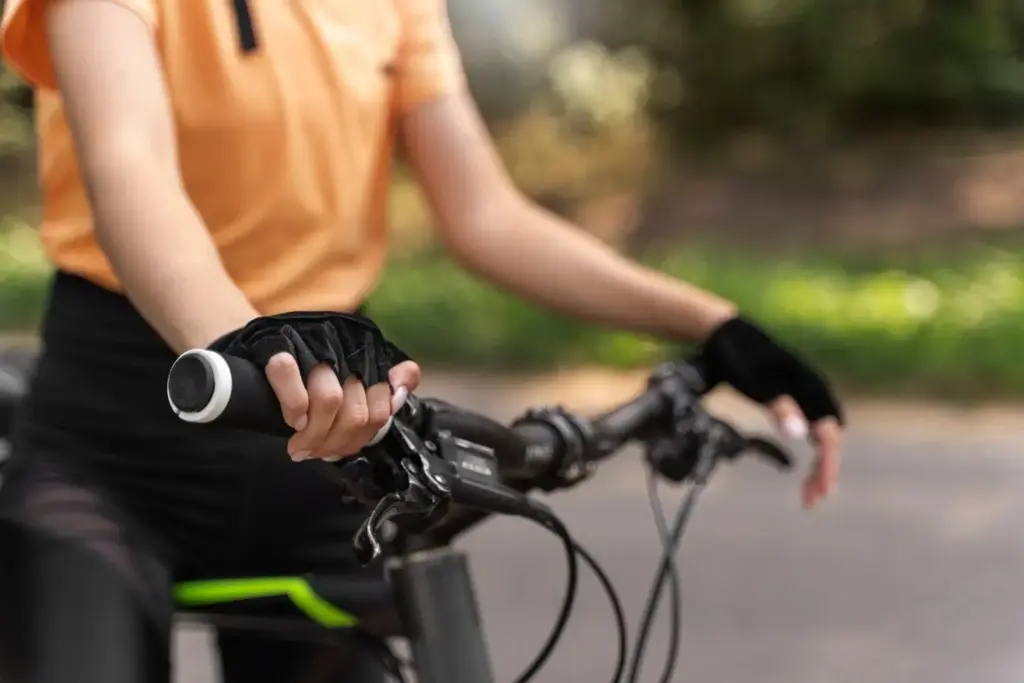
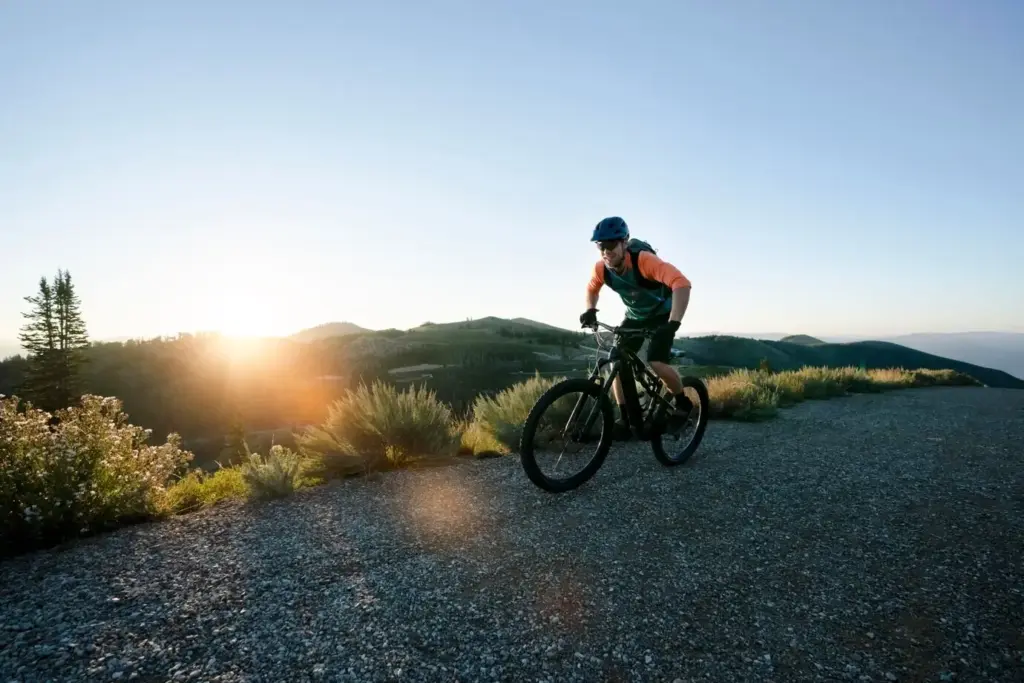
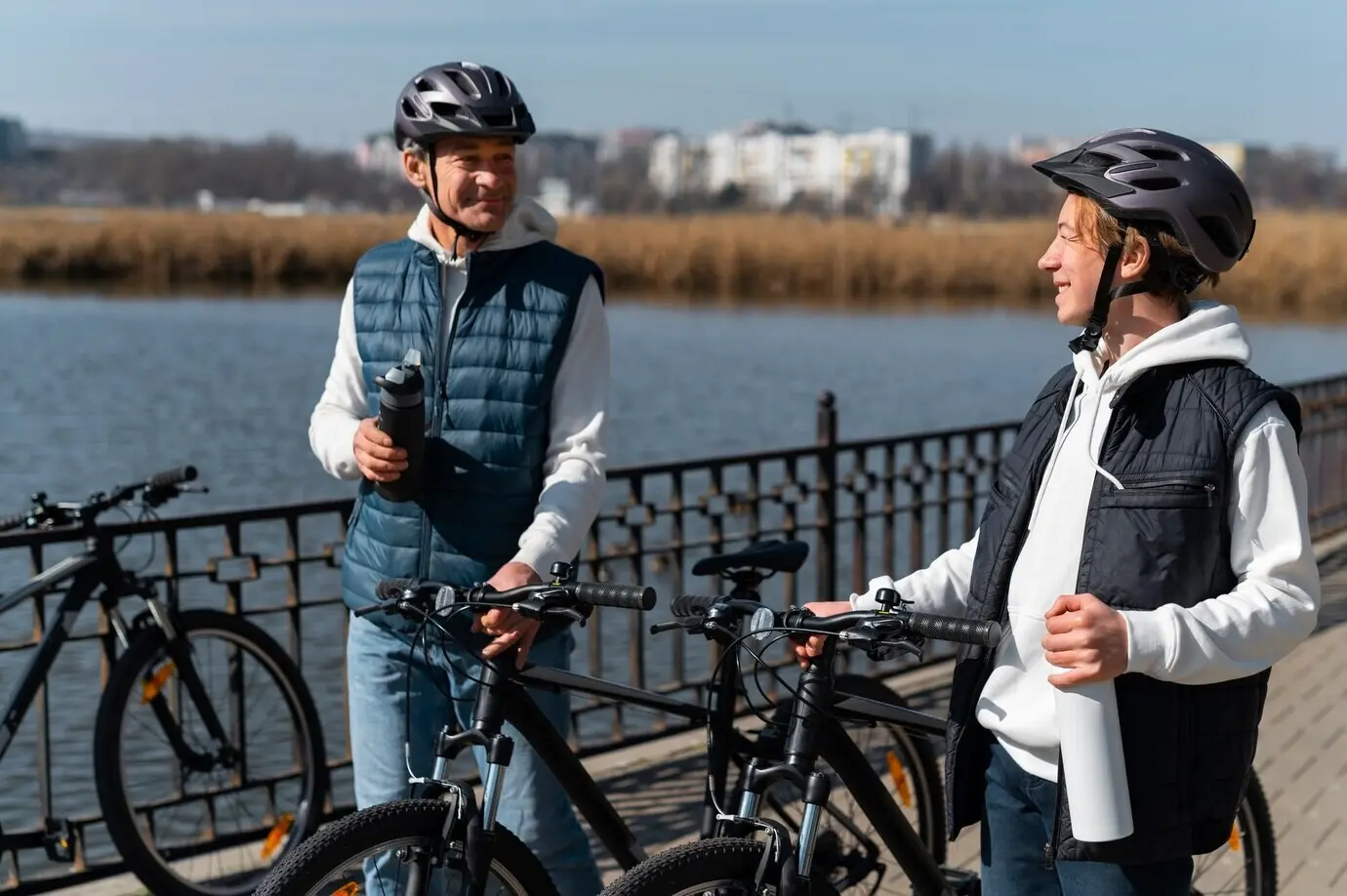
Micromobility bridges awkward distances elegantly when paired with trains. Integrate bike share docks by exits, protected lanes to trail spurs, and charging near trailheads. Clear rules for e-bikes and scooters protect quiet trails while expanding access for those who cannot hike long approach miles.

Shuttles That Meet You Where You Are

Fixed routes on busy weekends and flexible microtransit on weekdays can elegantly adapt to demand. Timed transfers with inbound trains shorten waits, while bike‑capable racks increase capacity. Publish predictable windows, pilot for a season, and invite riders to co‑design stops that feel safe, intuitive, and scenic.

Wayfinding That Feels Like a Handshake

Elegant wayfinding anticipates questions before they become stress. From platform arrows and color‑coded lines to mile‑markers and QR codes, consistent visual language guides every step. Pair physical signs with offline‑friendly maps and multilingual cues, so visitors, families, and locals feel equally welcomed from the first stride.

Signage from Concourse to Trailhead

Place confirmation signs at reassuring intervals, especially after decision points. Include elevation gain, surface type, and time estimates, not just distance. Small comforts—like a water icon or bench symbol—encourage honest planning and kinder pacing, reducing injuries and missed trains on tired return legs.

Digital Trip Tools

Unite rail timetables, GTFS‑Flex shuttles, bike‑share availability, and trail conditions in a single interface. Offer downloadable GPX tracks from station doors to the trailhead. Push gentle alerts about last return trains, wildfire closures, and heat advisories, keeping journeys informed without overwhelming phones or draining batteries.

Language and Accessibility

Use simple words, pictograms, and color contrasts that pass accessibility checks. Provide braille at key junctions, audio beacons via app, and tactile maps at stations. Welcoming wayfinding communicates care, building the trust required for families and newcomers to try transit-to-trail adventures confidently.

Designing for Safety, Inclusion, and Comfort

A journey’s first and last minutes shape everything that follows. Light, sightlines, and predictable crossings reduce anxiety and crashes. Accessible grades and surfaces welcome wheels and tired knees. Adding restrooms, water, and shade signals respect, while ranger presence and ambassadors foster a friendly, accountable culture from platform to trail.

Alliances That Unlock Momentum

Pair train marketing teams with outdoor nonprofits, bike coalitions, and search‑and‑rescue groups. One memorable campaign can transform expectations: think station murals pointing to trails and ranger‑led first‑mile walks. Partnerships multiply budgets and trust, helping pilots survive skepticism, board meetings, and the first rainy weekend.

Metrics That Matter

Track more than ridership: measure mode shift from cars, injury reductions near crossings, shuttle on‑time connections, and litter volumes at trailheads. Publish dashboards openly and invite commentary. When neighbors see benefits, they advocate, unlocking grants and smoothing the path for permanent, well‑loved improvements.

Listening Posts and Feedback Loops

Pop‑up tables at stations, QR surveys at trail kiosks, and ride‑along interviews gather vivid stories you cannot find in spreadsheets. Celebrate quick fixes publicly and explain constraints honestly. People engage when they feel heard, and their practical wisdom often halves project costs and delays.

Putitofefikanofavapa
Privacy Overview

This website uses cookies so that we can provide you with the best user experience possible. Cookie information is stored in your browser and performs functions such as recognising you when you return to our website and helping our team to understand which sections of the website you find most interesting and useful.