Ride Further Without a Car: Inclusive Trails You Can Reach by Train
Whether you roll a handcycle, recumbent trike, tandem, or power‑assist setup, today we’re exploring adaptive cycling trails reachable by commuter rail, showing how trains unlock welcoming routes without the hassle of driving or parking. You’ll find planning tips, equipment guidance, and inspiring stories that connect platforms to parks, rivers, coastlines, and city greenways, inviting more independence, spontaneety, and joy with every accessible connection.

Confidence Begins Before the First Pedal

Preparation transforms nerves into excitement. A quick station check for elevators, wide gates, and helpful staff reduces surprises, while studying route surfaces, grades, and rest stops builds certainty. When riders know water, shade, charging, and bathrooms are within reach, the day feels generous rather than rushed. Confidence is not a luxury; it is the foundation that lets you savor birdsong, laughter, and the rhythm of your wheels.

Smoother Links Between Platform and Path

The gentlest journeys minimize transitions. Clear wayfinding signs, curb cuts, and level crossings reduce effort and cognitive load. Rail operators can place tactile strips thoughtfully and keep lifts responsive, while trail stewards align entrances with sidewalks, not staircases. When connections are seamless, riders spend energy on joy and pace instead of problem-solving. Smooth links invite spontaneity, allowing short windows of time to bloom into meaningful rides.

From Platform to Path: Practical Trip Planning
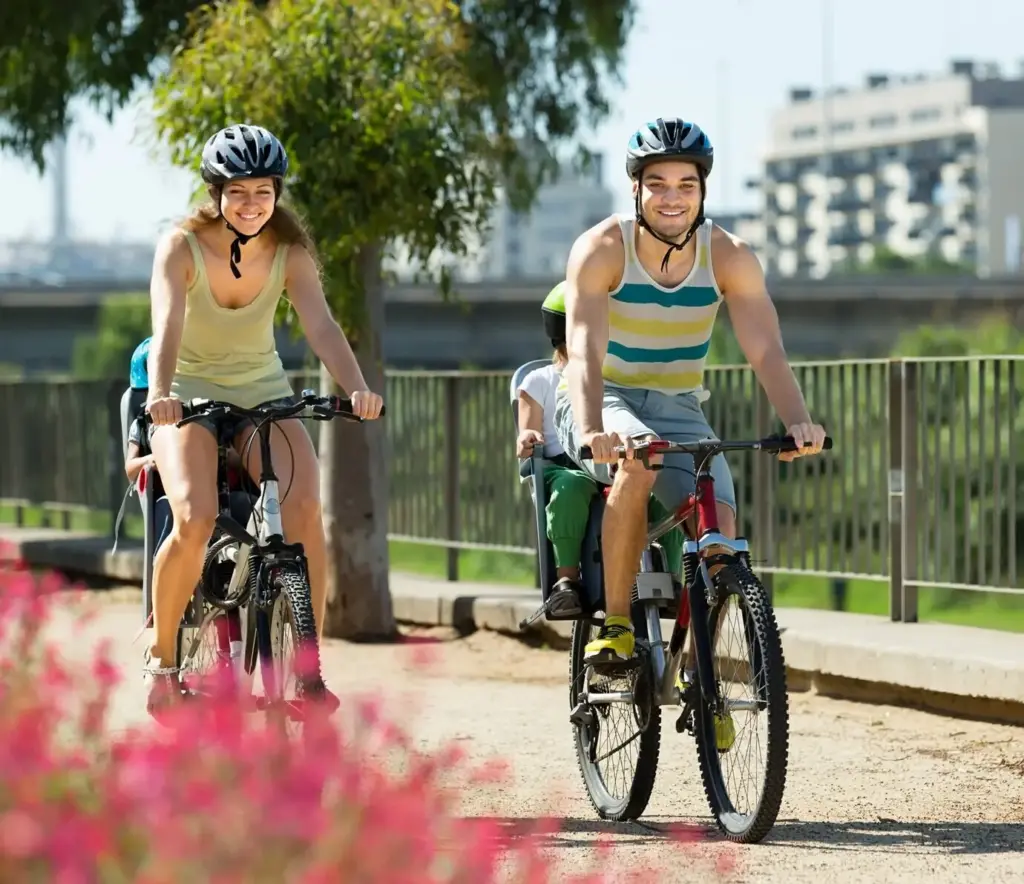
A successful rail-to-trail ride starts with a few focused checks. Verify elevator status, platform gaps, and car configurations. Confirm station exits that align with multi-use paths rather than busy arterials. Map bathroom stops, shade, and food options along the route. Build buffer time for assistance, and identify turning points to shorten or extend the ride. Good planning protects energy, increases autonomy, and makes the day feel welcoming from start to finish.

Equipment Fit and Train Compatibility

Adaptive cycles vary widely, and trains do too. Measure wheelbase, width, height, and turning radius against car door widths, vestibules, and tie-down spaces. Confirm policies on mobility devices, power-assist batteries, and bike limits per car. Bring soft straps to prevent scuffs, and a small toolkit for quick adjustments. Matching your setup to the rail environment preserves comfort and safety, allowing attention to stay on companions, scenery, and steady cadence.

Dimensions, Weight, and Turning Radius

A few tape-measure numbers can prevent frustrating surprises. Compare your cycle’s width with doorway and aisle measurements published by the rail agency. Check turning radius for vestibule corners, and consider weight distribution for ramps and bridge plates. Practice slow maneuvering in a tight space at home. These small preparations make boarding calmer, protect equipment, and reassure staff that the plan is thoughtful, respectful, and realistically scaled to the environment.

Securement, Storage, and Etiquette

Identify cars featuring securement straps or open bays, and avoid blocking aisles or priority seating. Carry soft ties to stabilize your frame without damaging finishes. Communicate clearly with conductors, thanking them for guidance. If riding with a group, designate one person to coordinate positions and exits. Thoughtful etiquette builds goodwill and makes future trips easier, creating a culture where staff and riders collaborate naturally to keep everyone comfortable and safe.

Car-Free Access Highlights Around the World

Boston’s Minuteman via the Red Line and Nearby Stations

From several accessible stations near the Red Line’s northwest reach, riders can connect to the Minuteman Path’s forgiving grades, frequent benches, and well-marked crossings. Historic towns provide cafés, water, and bathrooms. The trail’s consistent width supports trikes and tandems comfortably. Weekday mid-mornings are quieter, while weekends buzz with families. Verify elevator status before departure, and enjoy leafy shade that stretches long into summer, making leisurely progress feel wonderfully sustainable.

Toronto Waterfront by GO Lakeshore and City Connections

GO Transit’s Lakeshore corridor links stations near the waterfront, where wide multi-use paths hug the lake, offering clear sightlines and long straight sections. Numerous parks provide accessible washrooms and picnic spots, and seasonal breezes help on warmer days. Midday rides avoid commuter surges, leaving room for recumbents and handcycles. With steady surfaces, gentle grades, and dramatic views, the shoreline turns simple miles into restorative time that feels proudly car-free and welcoming.

Munich’s Isar Greenways via the S‑Bahn Network

Munich’s S‑Bahn puts river-adjacent routes within reach, blending compact station areas with calm neighborhood streets that lead to the Isar’s broad paths. Gravel segments are generally firm, though conditions vary after storms. Shaded stretches and frequent bridges create natural turnaround points. Stations typically offer lifts, and staff are accustomed to bikes and mobility devices. Bring snacks, water, and a rain layer, and let the river set an easy, companionable rhythm.

Safety, Comfort, and Weather Readiness
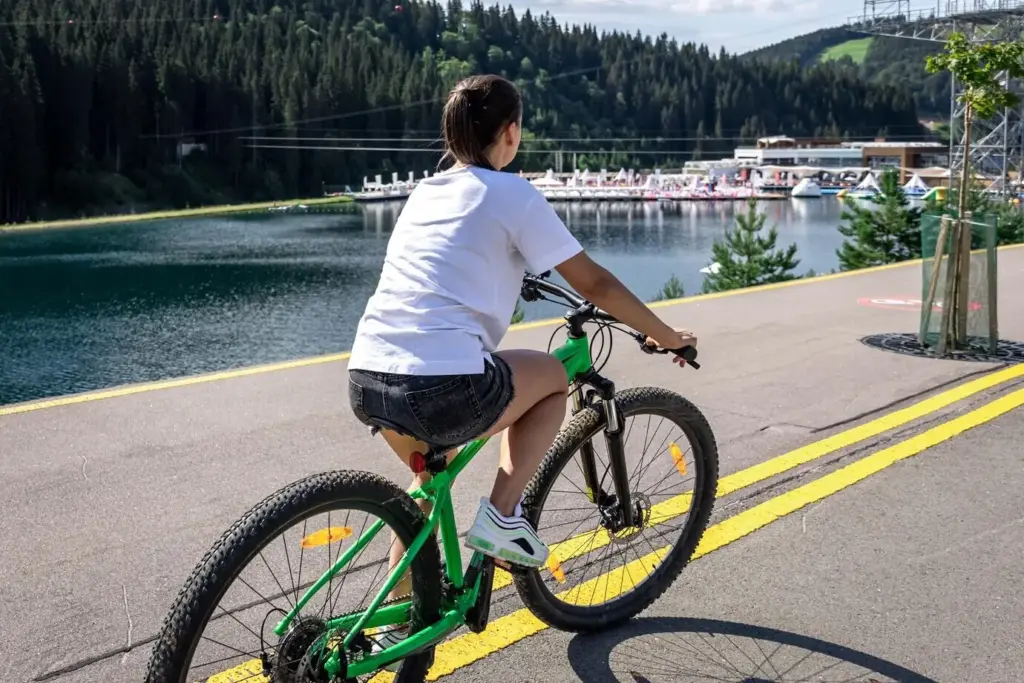
Comfort grows from small, predictable habits. Check tire pressures suited to your surfaces, pack a lightweight pump, and test brakes before boarding. Use reflective details and lights for tunnels and evening returns. Layer clothing for changing conditions, and protect skin and eyes. Keep a small first-aid kit, electrolyte tabs, and a compact towel. Good preparation turns variables into manageable details, keeping joy front and center even when the weather shifts.

A Handcyclist’s First Rail-Ride Adventure

Jorge practiced boarding at a quiet station the week before, timing elevator rides and measuring a vestibule turn. On the day, a conductor greeted him by name, the ramp felt easy, and the river breeze erased months of hesitation. He sent photos to his physical therapist from a sunny bench, promising another visit. Small wins stacked up, becoming a memory powerful enough to challenge the next big plan with confidence.

A Parent and Teen Discover Weekend Independence

Maya and her teenager, who uses a recumbent trike, chose a route with playgrounds, cafés, and train frequency that let them adjust plans without pressure. They laughed at geese, compared pastry fillings, and returned with just enough time for homework. The train ride home felt like a moving living room, quiet and relaxed. Their takeaways became a checklist they now share with other families considering their first adventure beyond the driveway.

A Volunteer Group Turns a Station Into a Gateway

Neighbors mapped curb cuts, repainted wayfinding arrows, and convinced the transit agency to add clearer elevator signage. They hosted a monthly welcome ride with different lengths and paces, teaching hand signals and puncture fixes. Within weeks, messages arrived from riders who had long avoided the route. The station, once confusing, became known for friendly faces and reliable information, proof that small advocacy projects can transform entire weekends for many people.

Build Better Links and Be Heard

Sustainable access grows when riders, agencies, and trail stewards collaborate openly. Document what works and what doesn’t, celebrate small wins, and offer constructive, specific requests. Photos and short clips often communicate far better than reports. Invite staff to join test rides, and bring treats; goodwill matters. With shared checklists, clear measurements, and respectful persistence, station-to-trail gaps shrink, and entire regions gain dependable, joyful mobility choices that truly welcome everyone.

Audit a Station-to-Trail Connection

Walk or roll the link during quiet and busy times, noting elevator reliability, ramp slopes, surface width, and crosswalk timing. Photograph confusing turns, measure bollard spacing, and rate curb cuts for wheel clearance. Share findings with staff and community groups, highlighting quick wins like signage and paint. A focused audit transforms vague concerns into an actionable, collaborative punch list that improves safety while affirming riders’ lived expertise and daily reality.

Collect Data That Changes Minds

Track ride counts, dwell times, and assistance requests, pairing numbers with short quotes from riders. Map bathrooms, benches, and shaded rest areas to visualize comfort. Agencies respond to evidence that tells a human story. Use simple spreadsheets, color-coded maps, and before‑after photos. Present results with gratitude, not blame, and offer to retest changes. Measured progress reinforces trust, accelerating improvements that unlock more rail-connected rides throughout the season.

Partner with Agencies and Local Riders

Invite station managers, conductors, and maintenance staff to experience the route firsthand on a relaxed, guided roll. Center the conversation on solutions: movable bollards, clearer signage, scheduled elevator checks, or wider gate timings. Include riders with diverse equipment so needs are represented authentically. Afterward, publish a friendly recap with next steps and timelines. Partnerships thrive on empathy, transparency, and follow‑through, creating durable improvements that outlast any single season.
Putitofefikanofavapa
Privacy Overview

This website uses cookies so that we can provide you with the best user experience possible. Cookie information is stored in your browser and performs functions such as recognising you when you return to our website and helping our team to understand which sections of the website you find most interesting and useful.